Upholstery Cleaning in Humid Climates: Preventing Odors, Mold, and Rapid Re-Soiling in Houston, TX
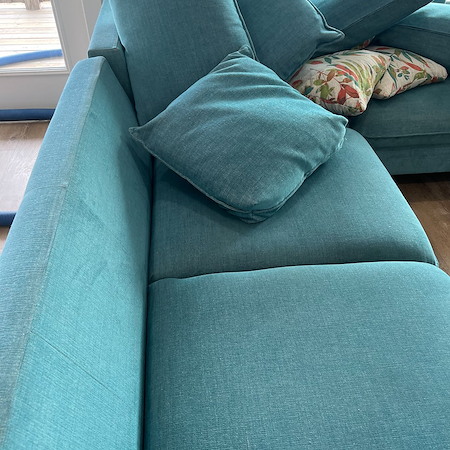
Warm, sticky Gulf air pushes moisture deep into sofas, sectionals, and chairs. That moisture holds onto dust and body oils, which leads to odors, dull fabric, and faster re-soiling. If your living room seats feel tired a few weeks after tidying, it is likely the humidity, not your housekeeping. This guide explains how professional care solves the problem and when to schedule upholstery cleaning so furniture stays fresher, longer.
Why Houston Humidity Makes Upholstery Misbehave
Humidity is fuel for odor and residue. In summer and during stormy stretches, indoor air holds more moisture. Fabrics absorb that moisture, then cling to airborne particles like pollen and pet dander. The result is a sticky film that attracts new soil faster than in drier climates.
- Moisture slows evaporation, so spills and everyday oils linger in fibers.
- High dew points help odor molecules stick around, especially in dense cushions.
- Bayou breezes carry fine particles that settle into textured weaves.
Neighborhoods near water or lush tree cover, like Clear Lake or Kingwood, often notice this more after afternoon thunderstorms and during late summer.
What Professional Upholstery Cleaning Does Differently
Pros use calibrated equipment and fabric-specific chemistry to lift residue without overwetting. That balance matters in Houston. Too much moisture risks musty smells. Too little cleaning leaves tacky films that re-soil fast. A trained tech matches solution, temperature, and extraction to fiber type, which is how your pieces dry evenly and feel clean rather than crunchy.
Compared with basic fresheners, professional deodorizing targets odor sources inside foam and backing. That is why results last longer, even when the AC is working hard through August.
Fabric-Safe Deodorizing That Lasts In Houston Homes
Odors behave differently in humid air. Deodorizing that only masks smells will fade quickly on muggy days. Fabric-safe neutralizers and controlled rinse steps address the trapped residues that feed new smells. When pet accidents are involved, targeted odor treatment helps remove stubborn crystals so rooms smell neutral again. If you have recurring pet issues, review options alongside pet stain and odor treatment to keep seating areas guest-ready.
For homeowners sensitive to fragrance, ask about low-scent or scent-free options. The goal is clean and neutral, not perfumed.
How Often Should Upholstery Be Cleaned In Houston
Humidity and usage set the schedule more than the calendar. A simple guideline helps Houston households plan without over-cleaning.
- Quiet household, no pets: professional cleaning about every 18 months.
- Kids or one pet: every 9 to 12 months.
- Multiple pets or daily sofa use: every 6 to 9 months.
- After renovations, flood repairs, or heavy pollen seasons: add a reset visit.
If you like to plan around dry times, this article on carpet dry windows in similar humidity can help you think through timing and airflow inside your home: how long does carpet take to dry after professional cleaning.
Local tip: In late May through September, schedule morning appointments so fabrics dry as indoor air stabilizes. After service, keep airflow steady with your HVAC fan for a few hours to help moisture leave cushion cores.
Rapid Re-Soiling: Why It Happens And How To Stop It
Rapid re-soiling is not a mystery. Residue left behind acts like flypaper and pulls in new dust. In Houston’s climate, that cycle can speed up. The fix is a precise rinse and high-efficiency extraction so fibers feel clean, not sticky. Protector can be applied on the most-used seats to slow future stains. Used thoughtfully, it buys you time between visits without changing the look or feel of the fabric.
Important: Always choose methods that are safe for your fabric code and color stability. A professional will test in an inconspicuous spot before proceeding.
Odor Sources In Humid Weather
Most persistent odors are a mix of body oils, cooking aerosols, and pet soils that migrate into cushions. Even if you cannot see a mark, humidity can wake up old residues on hot afternoons. Professional cleaning breaks that cycle by flushing what you cannot reach and neutralizing the compounds that cause smells. If odors return after a summer storm or extended AC outage, a maintenance visit can reset the fabric and foam so rooms smell fresh again.
Skip quick coverups: Strong perfumes and heavy powders can set into fabric and make re-soiling worse once humidity rises.
Choosing A Team That Understands Houston Homes
Experience with Gulf Coast weather matters. Ask about dry-time planning, fabric testing, and odor protocols when you book. You can start with our page on upholstery cleaning to see how Floors of Glass approaches fabric-safe methods for sofas, sectionals, dining chairs, and more.
For a broader look at services and to learn why many neighbors search for upholstery cleaning in Houston, TX when they want a local, responsive crew, review our service options and recent articles.
How To Read The Signs Your Upholstery Needs Attention
Watch for a dull, sticky hand-feel, seat-darkening on the most-used cushion, or a room that smells stale by late afternoon even after airing out. Those are early warnings that humidity and residues have built up. Pet areas may also show gray halos around old accidents as heat and moisture rise.
Act early: Calling when you first notice changes usually means a faster visit and a better cosmetic result.
Scheduling Around Houston’s Seasons
Spring pollen, summer humidity, and fall cold fronts all affect fabrics. Many homeowners in The Heights, Meyerland, and Spring Branch time a reset after peak pollen and another before heavy summer gatherings. Pairing upholstery service with floor care before the holidays can also help the whole home feel renewed.
If rainy weeks are in the forecast, book earlier in the day and ask about air movement support so pieces dry on schedule. You can also talk with your technician about how your home’s layout and HVAC use play into dry times and freshness.
When Pet Odors Overstay Their Welcome
Houston’s warm, humid air can amplify lingering pet smells in cushions and armrests. That is why targeted odor treatment is part of a smart plan. If a favorite chair keeps picking up odor on muggy afternoons, consider a focused visit that combines fabric-safe neutralizers with a careful rinse. For more on this topic, review our approach to pet stain removal and then align it with an upholstery reset so the room smells neutral again.
Pro move: Tell your technician which seats get daily use and any past spills. Small details help them tailor chemistry and dry-time steps that hold up in our climate.
Ready For Fresher Furniture That Stays Clean Longer
If you have battled recurring odors or a quick return of soil, it is not just you. Houston’s humidity makes upholstery care different. Partner with a floor and furniture team that balances fiber safety with strong extraction and smart deodorizing. To get started, call 281-883-2013 or book through our page on upholstery cleaning. We serve busy households across the metro and plan visits around your schedule so furniture looks and smells its best.
Prefer to learn more about dry times in our climate before you book? This short read on humidity and drying explains the timing you can expect after service: how long carpet takes to dry after professional cleaning. When you are ready, our team at Floors of Glass is here to help.
Get Those Stubborn Stains Out With Our Carpet Cleaning Services In Baytown