Steam Cleaning vs. Low-Moisture Carpet Cleaning: Which Is Better for Your Home?
Choosing between steam carpet cleaning and low-moisture methods matters, especially in Baytown’s warm, humid climate. Your carpets face Gulf air, spring pollen, and busy family living, so the method you choose can affect cleanliness, health, and how fast floors are ready again.
If you want a deep refresh, many homeowners start with professional carpet cleaning to reset traffic lanes and remove embedded soil. Below, you’ll see how each approach works, how dry times compare, and which one serves different rooms, fibers, and lifestyles best.
We’ll also look at hot water extraction vs low moisture side by side, with clear pros and tradeoffs you can use to make a confident choice for your Baytown, TX home.
What Each Method Really Means
Steam Carpet Cleaning (Hot Water Extraction)
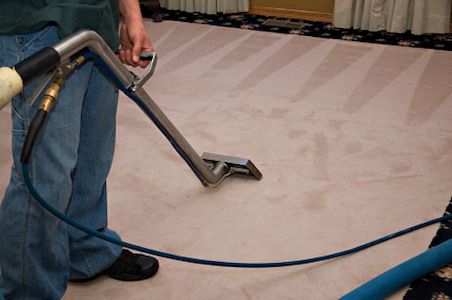
Despite the name, the industry standard is hot water extraction. A pro pre-treats spots, applies a targeted cleaning solution, then rinses with heated water while a powerful vacuum lifts soil, allergens, and residues from deep in the pile. This flush-and-extract process reaches the backing and removes what daily vacuuming leaves behind.
It’s especially effective on oily soils from kitchens, entryways near the garage, and high-traffic paths like hallways in Lakewood or Country Club Oaks. Extraction also helps reduce lingering odors, which is helpful after holiday gatherings or wet-weather foot traffic.
Low-Moisture Carpet Cleaning
Low-moisture cleaning relies on controlled moisture and specialized chemistry. Encapsulation products surround soil so it breaks free from the fiber, then a counter-rotating brush or pad lifts and collects it. Because less water is used, carpets can be usable much sooner.
This method works well for maintenance between deep cleans, commercial-style fibers, and homes that need the space back fast. It can improve appearance significantly, though very heavy build-up or stubborn, greasy stains may still benefit from a hot water rinse.
Dry Times, Residue, and Re-Soiling: The Big Differences
Dry times depend on fiber type, room airflow, and Baytown humidity. Low-moisture systems usually dry quickly because they deposit less liquid. Hot water extraction uses more water but also extracts most of it, leaving fibers fresh and rinsed of sticky residue that can cause rapid re-soiling.
- Hot water extraction rinses out detergents and allergens for a deeper reset.
- Low-moisture cleaning offers faster turnaround when time is tight.
- Summer humidity in Baytown can extend dry times for any method.
- Good airflow, fans, and moderate AC settings help speed the process.
Avoid closing off rooms after cleaning if you can help it; moving air helps carpets dry evenly and keeps seams from holding moisture longer than the rest.
Health, Allergens, and Indoor Air in Baytown, TX
Pollen and fine dust can travel indoors during windy spring days along the Bay. Steam carpet cleaning excels at removing embedded particles and rinsing away residues that might attract new soil. Low-moisture cleaning lifts a surprising amount of particulate, too, especially when paired with thorough pre-vacuuming and modern encapsulation chemistry.
If a family member is sensitive to allergens, a periodic deep flush can reduce the load in the carpet and backing. Maintenance low-moisture cleanings in between can keep surfaces fresh until it’s time for the next deep extraction.
Tough Stains and High-Traffic Areas: Which Wins?
Traffic lanes in entry corridors and living rooms near sliding doors often hold oily soils that bond to fibers. Hot water extraction, with careful pre-treatment, breaks that bond and rinses it away. Low-moisture systems can lift many spots quickly and are great for refreshing uniform wear patterns, but very stubborn, sticky soils usually respond best to a heated rinse and strong vacuum recovery.
For coffee spills, pet accidents, or tracked-in cooking oils after a backyard barbecue, comprehensive extraction gives you a better shot at long-term results. For light scuffs before guests arrive, low-moisture is a fast, effective spruce-up.
How to Choose Which is Best for Your Baytown Home
Families With Kids and Pets
Playrooms, dens, and bedrooms see snack crumbs, outdoor dust, and occasional pet messes. Plan a deep hot water extraction on a routine basis to reset the carpet, and use low-moisture cleanings in between to keep surfaces guest-ready.
Allergy-Sensitive Households
When pollen counts spike along Goose Creek, a thorough rinse that extracts fine particles can make rooms feel fresher. Low-moisture maintenance helps keep appearance up, but the periodic flush from steam carpet cleaning often delivers the biggest relief.
Rental Move-Outs and Real Estate Photos
On a tight timeline, low moisture can bring faster dry times and a clean, even look for photos and showings. If traffic lanes or odors are heavy, schedule a hot water extraction so the carpet looks and feels clean up close, not just in pictures.
Baytown’s humidity can slow drying on summer afternoons. Set the AC to a moderate temperature, switch on ceiling fans, and crack interior doors so air moves through the fibers. Keep kids and pets off damp carpet until it’s fully dry to protect the pile.
Seasonal Considerations in a Humid Gulf Climate
Humidity swings affect drying. In late spring and summer, even low-moisture methods may take longer to dry without good airflow. In cooler months, households often keep windows closed, which can trap moisture indoors. Plan cleaning when you can run the HVAC fan and place portable air movers if needed.
Rooms that border patios or pool areas see more tracked-in grit during warm months. A deeper flush after summer helps remove embedded soil before it grinds into fibers over winter.
What to Expect From a Professional Visit
A trained technician will inspect fiber type and construction, test spots, and choose the right chemistry. Corner guards protect baseboards, and furniture is moved as appropriate, then returned with protective tabs. For hot water extraction, the process includes pre-vacuuming, pre-spray, gentle agitation, a heated rinse, and powerful recovery to remove soil and residues. For low-moisture, encapsulation chemistry and controlled agitation lift and capture soil with minimal water, followed by grooming for a uniform finish.
Because your home’s surfaces work together, our local flooring company pays attention to transitions, area rugs, and hard-surface edges so the whole room looks consistent. After cleaning, your tech will review results, explain drying expectations for the day’s weather, and point out any areas that may benefit from future deep extraction or periodic touch-ups.
When Each Method Shines
- Choose hot water extraction when traffic lanes look gray, sticky spills have set, or it’s been a year or more since your last deep clean.
- Choose low-moisture when you need faster access to rooms, you’re maintaining between deep cleans, or the carpet is lightly soiled.
- Blend both over the year for best results: schedule a deep reset, then use quick refreshes before gatherings or seasonal events.
If you’re weighing hot water extraction vs low moisture, think about your goals: deep allergen removal, fast dry times, or both over the year. Matching the method to the soil level and schedule will help carpets look better for longer.
Bring Fresh, Clean Carpet Back to Your Baytown Home
Ready for healthier carpet and faster dry times that fit your schedule? Talk with Floors of Glass today at 281-883-2013 or explore our steam carpet cleaning service to choose the best approach for your rooms.
If you prefer a simple starting point, schedule a deep reset with hot water extraction, then maintain appearance with strategic low-moisture visits. When it’s time, you can learn more about the complete process and fiber-safe options on our dedicated page for carpet cleaning.
Get Those Stubborn Stains Out With Our Carpet Cleaning Services In Baytown